
architour
architour is an architecture studio that carries out a variety of activities related to architecture and the city. Its main focus is on organizing guided architectural tours in the cities of Barcelona and Vic. It offers various specific and monographic routes centered on selected buildings, intersecting with the urban phenomenon, while emphasizing the public dimension, as well as the formation, history, and heritage of the city and its genesis. The interest in exploring the city through these trips is also driven by a social concern: to convey the importance of architecture as a major cultural production, which goes beyond individual building projects. In this sense, Architour expands the concept of an architectural route into a wide cultural project, offering both architecture trips and cultural programs.
How
Architour aims to immerse participants in the city to foster reflection, critical thinking, and interaction, transforming the trip into an enriching experience. All tours are conducted with small groups and are always guided by architects.
Participants receive personal dossiers, including maps, route summaries, descriptions and photographs of all buildings and sites to visit, as well as a bibliography, all provided in PDF format. Whenever possible, routes conclude at a high panoramic viewpoint, such as a terrace or bell tower, which is used to share conclusions and contrast the on-foot experience with a bird’s-eye view. Other activities, such as architecture trips or educational projects, conceptually follow the same approach. The trips offer a broad series of routes, and programs develop specific subjects, but always within the urban context, exploring the city through its vibrant streets.
Who
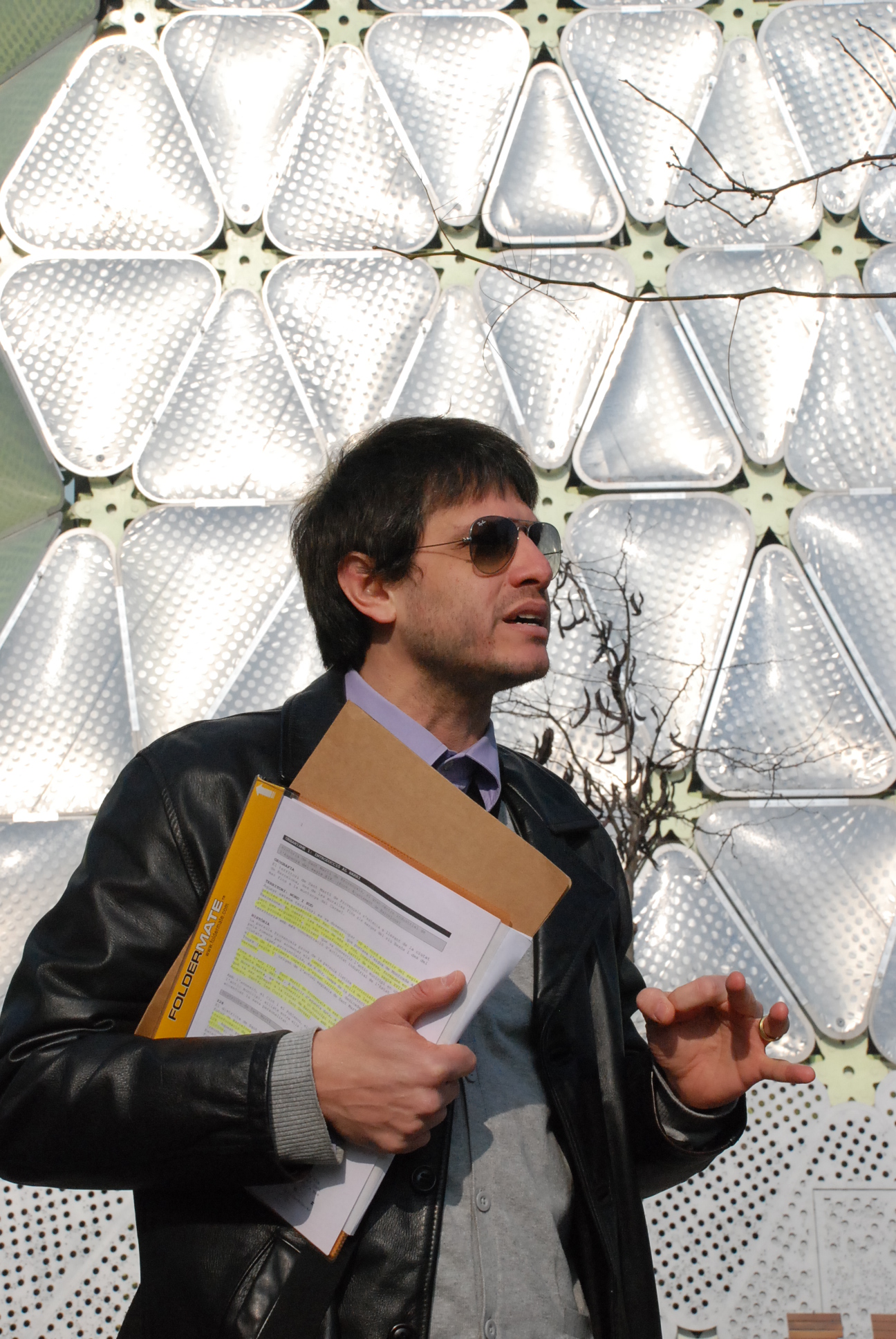
The project was founded in 2009 by Ariel Cavilli. “I am a traveler,” Ariel likes to say. Based on this disposition and his inclination towards research, the idea arose to offer architectural routes from an architect’s perspective, to explain the city, history, and culture through architecture. Who is the project aimed at? At architects, yes, but even more at “travelers”, while recognizing the significant difference between traveling and tourism. These are the coordinates of “who” and “for whom”.
Ariel Cavilli
Born and raised in Buenos Aires, Argentina -also holding Italian nationality because his grandparents emigrated to Argentina- he graduated as an architect from the Universidad de Buenos Aires in 1994. He completed a postgraduate degree in Environmental Architecture at the same university, worked as a university professor in this subject, and taught courses in the history of architecture. He continued his research until he arrived in Barcelona in 2001 to pursue a PhD in Theory and History of Architecture at the Universitat Politècnica de Catalunya. He homologated his degree at the Escola Tècnica Superior d’Arquitectura de Barcelona (ETSAB) in 2004 and joined the College of Architects of Catalonia the same year. Drawn to the PhD program and captivated by the richness of Barcelona, he became fascinated by the phenomenon of the city.
He founded Architour in 2009 as a continuation of his doctoral research, where research plays a key role, combined with a new anthropological and enriching travel experience. Since 2022, he has combined this activity with work as an architect at the Department of Culture of the Generalitat, in the field of architectural heritage. He oversees the research and investigation process necessary to design all Architour’s architectural routes and activities. Ariel also guides these routes and activities, with C2-level Catalan and Proficiency in English.
Routes
What lies between the buildings? The city, history, and culture.
The buildings are part of a network of transversal forces, where history, technology, economy, culture, politics, and the city itself intersect with architecture. The approach aims to reveal the circumstances and accidents that have made a particular building possible, along with the specific historical relationships within the urban context.
Journeys
The architectural journey is conceived as a program structured around various routes and activities. The notion of a route is grounded less in the description of isolated -paradigmatic- buildings than in what lies between them: the city, its history, and its culture. This is the philosophy of Architour: to present architecture as the highest expressions of cultural production and to understand the city as an asset of immense scope, with Buenos Aires serving as a canonical example.
This approach calls upon critical thinking without renouncing delight and discovery. The journey thus becomes an enriching experience, capable of combining knowledge and emotion. Architour aspires to genuine immersion in the city, seeking to foster reflection and encourage interaction between participants and the urban context that surrounds them.
Upcoming organized travel:
Study Abroad
Architour offers international architecture trips with the philosophy of understanding architecture as a major cultural production. The program consists of various architectural routes, mainly in Barcelona and other Catalan cities, lasting between one and two weeks, all structured within an individualized program design. The North American or Canadian “Study Abroad” program, in which this activity is included, allows participants to earn university credits in the format of a study trip. An example is the travel program designed for Florida International University, aimed at advanced architecture students with their faculty professor. The project focused on public space and Catalan Modernism, the central theme of the program.
Create your personalized Study Abroad program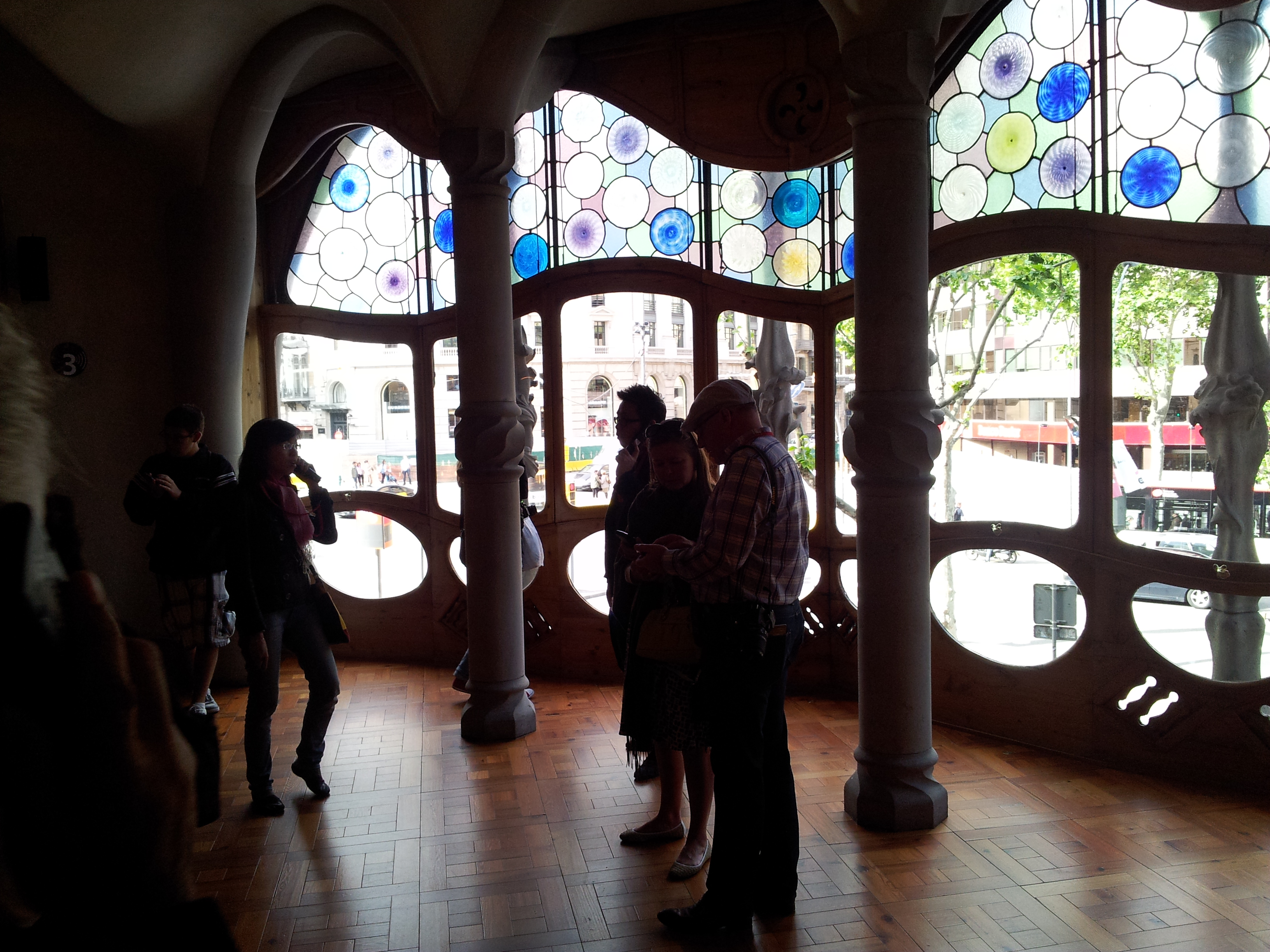
Educational Projects
With the approach of viewing architecture as a major cultural engine, Architour expands the concept of architectural routes into a broad cultural project, aiming to develop educational programs and cultural activities. The goal is to bring architecture closer to all audiences, foster creativity, critical thinking, and induce a connection with both urban and natural spaces.